
Blog
- Home
- Blog
When you receive a quote for a furnace installation cost that is $6,000, you think you might be being too much or perhaps not enough. It is more than just about the furnace. System type, system efficiency, house size, labor, ductwork, permits and installation difficulty all can affect the final cost.
The average cost of furnace replacement in 2026 is approximately $4,800 in the United States, with most replacement costs between $2,800 and $6,900. That is at the top end of the average range, but may be adequate, depending on the scope of the quote.
New furnace costs vary greatly, depending on the type and size of the furnace. In general, electric furnaces are less expensive and gas and oil furnaces can be more expensive. More efficient models also cost more up front.
Gas furnace replacement costs are estimated at approximately $3,800 to $10,000, and the total cost of a furnace installation can range from about $1,600 to $10,000 depending on the furnace and project.
That is, when asking how much is new heater equipment is, keep in mind that it is just a portion of the bill.
Before deciding whether the cost to install furnace is fair, check exactly what you are getting for the money.
A $6,000 quote may include:
If you have more of these in your quote, $6,000 might be easier to understand than a furnace and labor only quote.
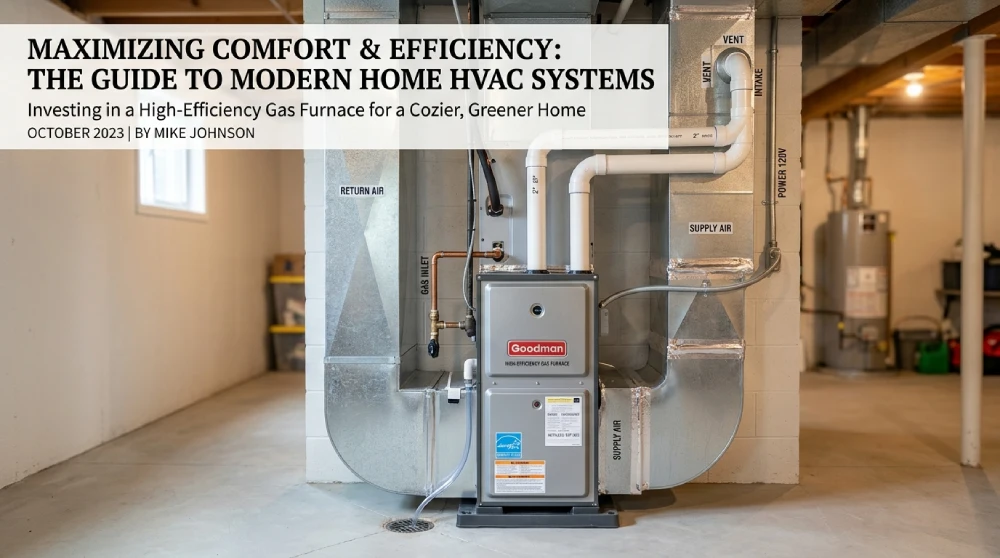
Several factors can push your furnace installation cost above the national average.
If you are having a larger home, it is likely that you will need a bigger furnace. Another drawback to a high efficiency furnace is the initial higher cost, but they can save on fuel costs over time.
If the ductwork is not compatible with the new system, the ductwork may need to be modified. There are thousands of dollars in large ductwork projects.
It may take less time to replace a furnace in a basement that has easy access with one that is in a difficult to access area or a closet or attic.
Adjustments to the gas line, venting, electrical, drainage of condensate, permits and inspections are all part of the total cost.
A $6,000 quote falls within the broader range of typical furnace replacement cost in 2026. The average price of a new furnace installation is $4,814, according to Angi, with the range of most of these projects being between $2,823 and $6,897.
Averages, however, do not indicate if your specific quote is fair! A replacement should be compared differently from a high efficiency system that needs new venting, ductwork or other modifications.
Your cost of furnace replacement should therefore be judged against the equipment, labor, warranty, and work included in the proposal.
A forced air furnace warms air and pushes it down the home's ductwork. If you already have ductwork that is designed to work with a forced-air furnace, some of the replacement may be fairly easy.
Installing the forced air furnace installation cost can be more expensive if there is ductwork to repair, if the furnace must be vented differently or if changes are made to the furnace's electrical or gas line.
Request the contractor to detail equipment, labor and extra work in the estimate. That makes it a lot simpler to compare one quote with another.
Furniture installation cost is sometimes used to refer to upgrading instead of replacing the existing furnace system. This can be repairs, new parts, replacing the ductwork, or upgrading an older furnace.
If your furnace is still in good shape, weigh the costs of renovation or repair against replacement. If you have an older furnace and it is having problems repeatedly, replacement may be a better choice, or if the system is newer, a repair might be the solution.
When looking up cost of new furnace and installation near me, keep in mind that costs may differ depending on your area. The price is influenced by the type of labor, the climate, the type of fuel, building codes, permit requirements, and the availability of contractors.
Your location and home's heating requirements can also determine the furnace capacity you need. Online averages can help you budget, but a local estimate will help you make a decision when you're making a purchase.
A $6,000 furnace quote is not automatically too expensive. Many furnace installations fall short of this and $6,000 is within the range that most homeowners will come across.
What are you getting for that $6,000.00? Before entering into a contract, check the furnace model, efficiency, installation cost, warranties, permits and any changes or modifications to the furnace ductwork or gas line.
It is toward the higher end of the common 2026 installation range, but it can be reasonable for a high-efficiency furnace, difficult installation, or a project requiring additional work.
The national average is about $4,814, with many installations costing between $2,823 and $6,897. Local prices can vary significantly.
Current estimates put gas furnace replacement at approximately $3,800 to $10,000, depending on size, efficiency, equipment, labor, and installation requirements.
Furnace size, fuel type, efficiency, labor, ductwork, venting, permits, accessibility, and additional electrical or gas work can all affect the final cost.
Yes. Getting two or three detailed estimates can help you compare equipment, installation work, warranties, and total pricing instead of comparing the headline price alone.
Usually, yes. Higher-efficiency models generally have a higher upfront price, although they may reduce energy use and heating costs over time.
The total depends on the heating system. For a furnace, current national installation estimates commonly range from roughly $2,800 to $6,900, although some projects cost considerably more.
There is no single replacement price because equipment and installation requirements differ. A basic replacement can cost less than a high-efficiency system requiring ductwork or other modifications.
Yes. Significant ductwork changes can add substantially to the project because the new furnace needs to connect properly to the home's existing heating distribution system.
Compare detailed quotes that include the same type and size of furnace, efficiency rating, labor, permits, removal, accessories, warranties, and additional installation work.
