
Blog
- Home
- Blog
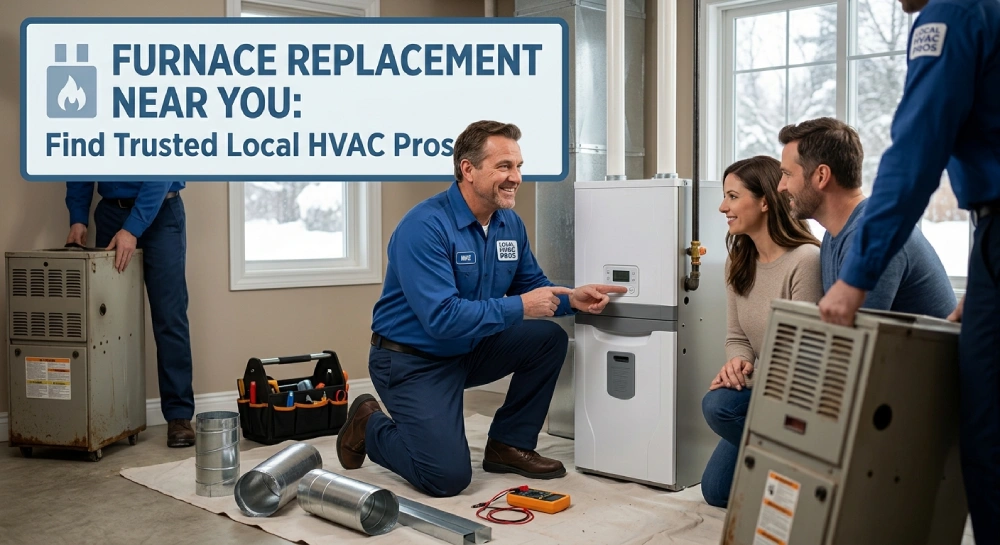
Furnace replacement may be the right choice when your home is not heating evenly or your furnace struggles to maintain a comfortable temperature. An aging system can make unusual noises, cycle on and off too frequently, and increase your energy bills over time. Ignoring these warning signs may lead to expensive repairs or an unexpected breakdown during the coldest part of winter.
This guide explains when replacing your furnace makes more sense than continuing with repairs, what to look for in a new furnace system, and how to find a trusted local HVAC professional. Knowing which questions to ask before the work begins can help you choose a system that fits your home, budget, and heating needs.
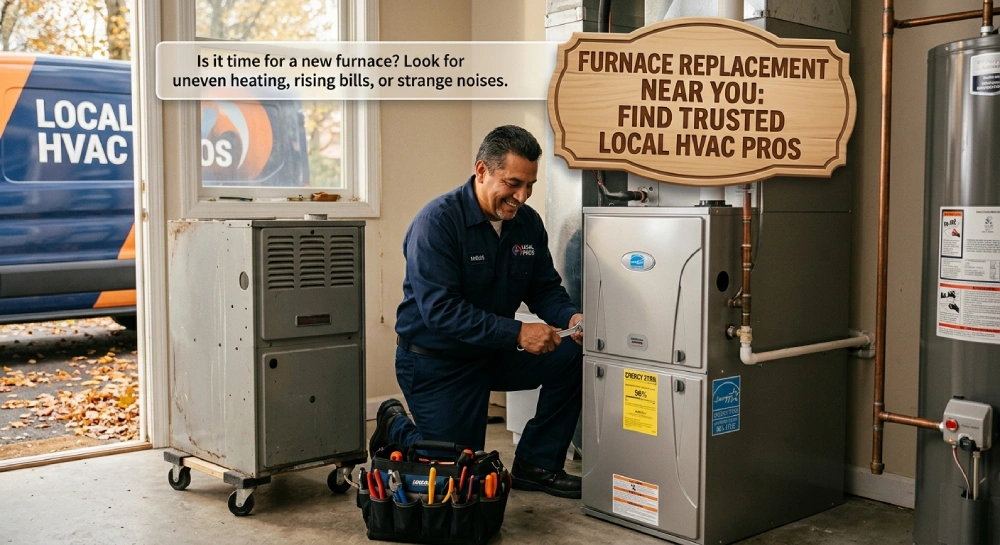
The majority of heating problems do not require the installation of a new furnace. Sometimes, a skilled technician is able to fix an existing system by the use of a repair or replacement component. But, recurring issues could suggest that your heating system is nearing the point of no return.
Consider replacement if you notice:
An inspection by a professional should be conducted before deciding. An issue that is minor related to a blower motor thermostat filter, heating element could be worthy of fixing. On the other hand the repeated failures on an older system could make a continual repair more difficult.
| Situation | Repair May Make Sense | Replacement May Make Sense |
|---|---|---|
| Furnace age | Relatively new | Older systems |
| Repair frequency | Occasional | Frequent |
| Repair cost | Manageable | Increasing |
| Heating performance | Most of the time, it's constant | Uneven heating |
| Efficiency in energy use | Still acceptable | Declining |
A new furnace must meet your house's heating requirements, not just the most powerful one available. A furnace that is too big or small can impact the comfort, efficiency, and running costs.
Contact an HVAC expert about:
If properly installed and selected, a new furnace that is properly installed and selected can offer more reliable comfort and could perform more efficiently than an older heating system.
The choice of a contractor is just as important as deciding on the appropriate equipment. A reliable heating replacement should start by assessing the heating requirements of your home instead of a quick marketing campaign.
Choose a firm which:
A reputable professional should be able to explain the reasons why a modern heating device is the best for your house.
Knowing the process can help make the process feel less daunting.
The technician will evaluate your current furnace and thermostat, ductwork airflow, and other components that are relevant.
The professional should suggest an appropriately sized efficient furnace that is according to the needs of your home.
Review the model of the unit along with the work, removal of the old unit warranty information as well as any additional tasks before you approve the project.
A professional furnace installation involves removing the old unit, then putting in the new furnace connecting all the components required, and then evaluating the system.
When leaving the house, the technician needs to verify that the furnace functions properly and that controls and airflow work in the manner expected.
Find out about changes to filters Cleaning, inspections, and suggested maintenance for your furnace to protect the system over time.
Based on the contractor and the scope of the project, these services might include removing the old furnace, putting in an entirely new unit, verifying connections, evaluating airflow and adjusting the thermostat. Certain HVAC companies also conduct inspections of the ductwork or suggest related heating enhancements. Be sure to confirm the details included in the estimate prior to beginning work.
Imagine a home owner whose 18-year-old furnace requires a major overhaul even though several rooms are cold. Instead of spending a lot of money on repairs, they request an HVAC expert to compare repair costs to the proper size, high-quality furnace.
In a different scenario, a homeowner who has an older system could suffer from weak airflow as a result of a blocked filter or failing components. A repair service for the furnace can resolve the problem without having to go through the replacement of all components.
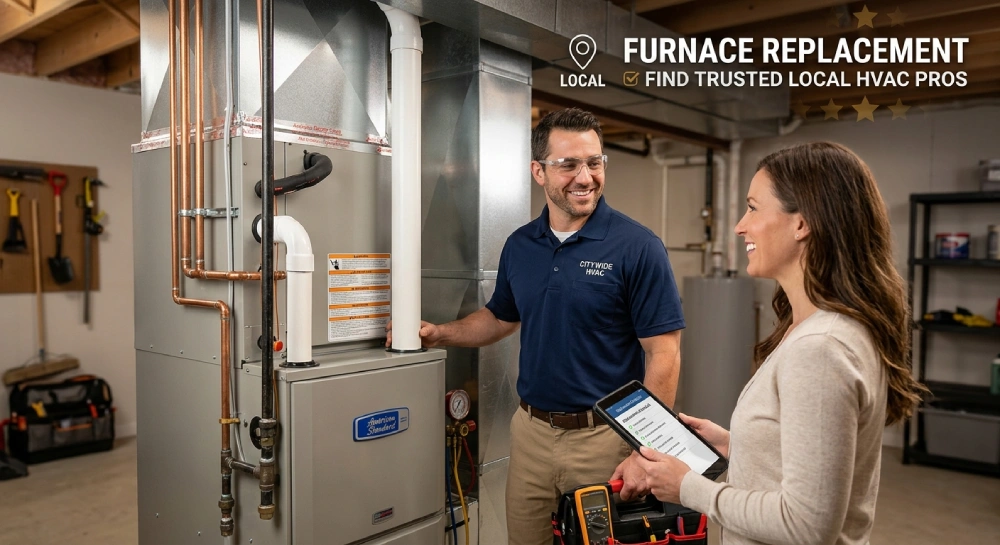
Don't choose the furnace you want to purchase just based on its price. The lowest initial price may not be the most valuable overall in the event that the unit is inadequately installed, the size is not right, the installation is insufficient or important warranty and labor information is unclear. Check out the whole proposition rather than only the price of the equipment.
A furnace replacement can make your home comfortable and give you more reliable heat. Before you decide, compare the repair costs, furnace options, and warranties. Choose an HVAC professional who can choose the right size and install it correctly. Regular maintenance can help protect your investment and keep your furnace running efficiently. With the right research and professional installation, you can enjoy dependable heating for years to come.
It is possible to need a replacement if your furnace is old, is in need of frequent repairs or produces uneven heating or becomes more expensive to run. An inspection by a professional can determine if replacement is needed.
A furnace typically lasts for 15-20 years, but the life span is dependent on the quality of the equipment and installation, use, and upkeep. Regular inspections can identify issues before they turn into serious failures.
Furnace repair is beneficial when the furnace has just been installed and the issue isn't too significant. Replacement may be more appropriate if an older model has a history of frequent or costly malfunctions.
Discuss system sizes, equipment efficiency specifications for installation warranty, labor cost permit if necessary and regular maintenance. A reliable contractor must be able to clearly explain these issues prior to work getting underway.
A well-designed furnace makes use of energy more efficiently while providing the necessary warmth. But, efficiency must be considered along with the correct size and installation quality, operational expenses, and your heating needs for your home.
An upgrade to a furnace can aid in unbalanced heating but it's not the only option. Ductwork problems, restriction of airflow, insulation and thermostat location can affect the room temperature.
The technician usually removes the equipment that is in use and installs the new unit, connects the required components, examines airflow and controls, and then tests the system to ensure it is safe.
A brand new furnace requires regularly scheduled routine maintenance. Filter changes, professional inspections, cleaning and system checks can aid in maintaining efficiency and spot any potential issues.
Not always. A lower quote might not include important services or equipment that may not fit your needs. Review the full range of work, the equipment and warranty, as well as labor and details of installation.
Begin by making a comparison of local HVAC firms with prior experience, positive feedback from customers, precise estimates, and a valid certificate. Ask each contractor to look over your existing system and discuss the various alternatives prior to deciding.
