Blog
- Home
- Blog
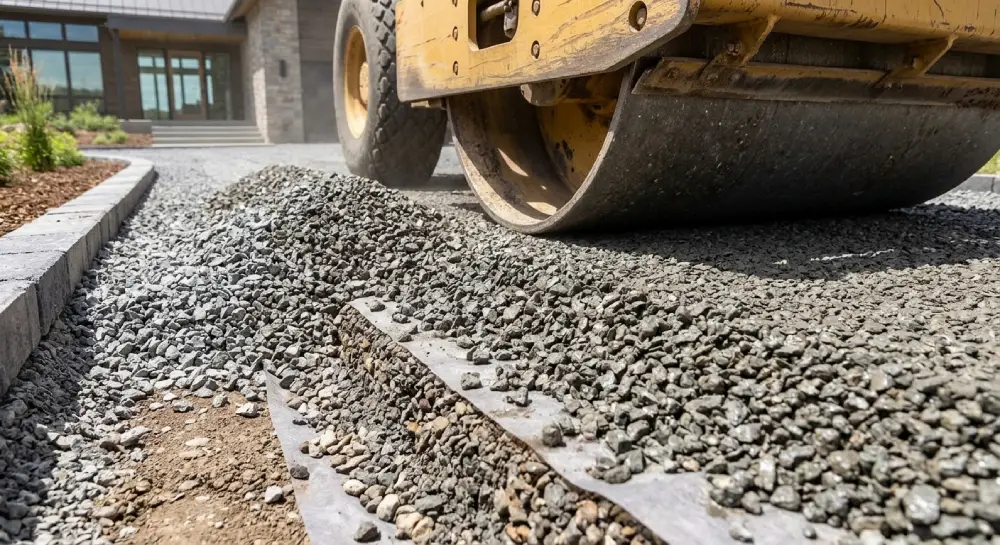
A gravel driveway can add curb appeal while providing a practical surface for everyday parking and driving. However, its durability depends on more than the gravel you see on top. Material selection, driveway dimensions, ground preparation, and drainage all influence the final cost and how well the surface holds up over time.
Before starting your gravel driveway installation, consider these seven design choices to make the most of your budget and avoid common problems.
The type of gravel affects the driveway's appearance, stability, and maintenance requirements.
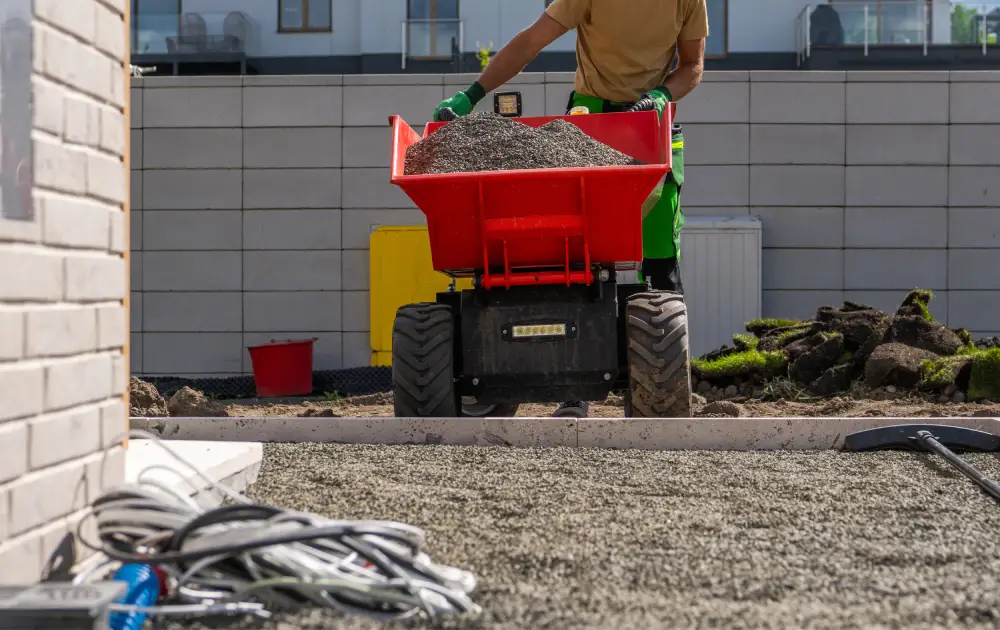
Compare different gravel driveway materials based on availability, stone size, and suitability for your soil. Checking local driveway gravel prices can also help you choose a material that fits your budget.
The size and layout determine how much gravel, labor, and site preparation your project requires.
Calculate the total square footage before requesting estimates. An accurate gravel driveway size helps contractors calculate the quantity of stone needed and provide a more reliable price.
The gravel driveway cost varies depending on the material, driveway dimensions, labor, and condition of the ground.
For initial budgeting, some U.S. cost estimates place installed gravel driveways around 10 per square foot, although local prices and complex site conditions can fall outside this range.
When comparing the cost to lay gravel driveway, request itemized estimates and check what is included in the quoted gravel driveway cost per square foot.
Water is one of the biggest factors affecting a gravel driveway's lifespan. Without proper drainage, rain can create puddles, wash away stones, and weaken the base.
Good gravel driveway drainage starts during site preparation, not after water problems appear. Consider your soil type, slope, and typical rainfall when deciding which drainage features are appropriate.
Edging helps contain gravel and gives the driveway a cleaner appearance. The right choice depends on your landscaping, budget, and preferred style.
Also consider how the driveway will connect to your garage, road, garden, and walkways. A well-planned layout improves access and helps prevent gravel from spreading into surrounding areas.
A strong base helps prevent sinking, deep ruts, and uneven surfaces. Simply spreading gravel over soft soil may lead to problems soon after installation.
Ask your contractor to explain the proposed base materials and layer depths. Proper preparation may increase the initial price, but it can reduce the need for repeated gravel driveway repair.
Every gravel driveway needs some upkeep. Your design choices can make that work easier and help you avoid unnecessary replacement costs.
Regular gravel driveway maintenance can extend the life of the surface. However, if the base has widespread damage or sinking continues despite repairs, gravel driveway replacement may be more practical than repeatedly adding new stone.
Searching for driveway gravel near me can help you find local suppliers and installation professionals. Compare contractors based on their experience, proposed materials, and approach to drainage and base preparation.
Before hiring, ask for:
Get at least two or three quotes and compare the scope of work, not just the final price. An experienced contractor should be able to explain why a particular design suits your property and budget.

Proper base preparation and drainage are essential. Even quality gravel can develop ruts and potholes when installed over unstable ground or in areas where water collects.
Measure the driveway's length and width, determine the required gravel depth, and request quotes that include material delivery, preparation, and installation labor.
Angular crushed stone and suitable compactable blends are common choices because they provide better stability than loose, rounded gravel. The right material depends on the base layer and site conditions.
Use suitable materials, establish proper drainage, compact the layers correctly, and repair small ruts before they become larger problems.
Minor potholes and surface loss can often be repaired. Widespread sinking, recurring damage, or major base and drainage problems may require partial rebuilding or complete replacement.