Blog
- Home
- Blog
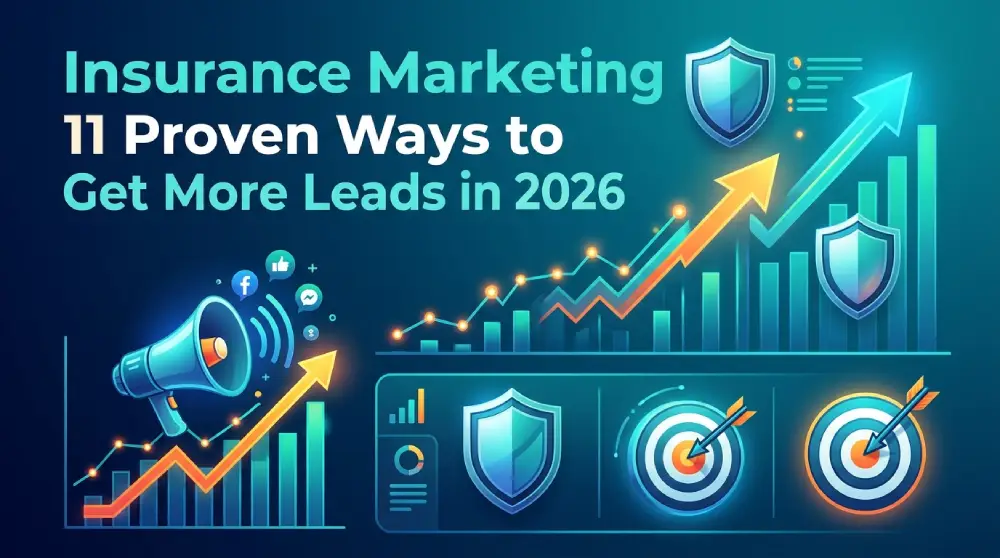
Generating consistent leads is essential for insurance agents and agencies looking to grow in a competitive market. Customers have more options than ever, and many compare coverage, pricing, reviews, and providers online before contacting an agent. A strong insurance marketing strategy helps your business reach potential policyholders, build trust, and turn interest into qualified inquiries.
Here are 11 practical insurance marketing ideas to help you attract more prospects and grow your business in 2026.
Your website is often the first place potential customers visit when researching insurance options. It should explain your services clearly and make it easy for visitors to request information or speak with an agent.
Create separate pages for the insurance products you offer, such as life, health, auto, home, and commercial coverage. Include agent contact details, service areas, frequently asked questions, and clear calls to action.
A professional website supports marketing for insurance agents by providing a central place where prospects can learn about coverage and submit inquiries.
Local search visibility can help insurance agencies connect with people looking for coverage in their area.
Create and maintain a Google Business Profile with accurate business information, operating hours, contact details, and service descriptions. Add relevant photographs and encourage satisfied clients to leave honest reviews.
Use location-specific keywords naturally on your website. For example, an agency serving Dallas could create useful pages about life insurance, auto insurance, or business coverage in Dallas.
These SEO strategies for insurance agents can help your business appear in relevant local searches and attract people who are actively looking for insurance services.
Social media gives insurance professionals a way to educate potential customers, share updates, and build relationships.
Choose platforms based on your target audience. LinkedIn can help brokers connect with business owners, while Facebook and Instagram may be useful for reaching individuals and families.
Share content such as:
Avoid making unrealistic promises about coverage or savings. Clear, informative content can help establish credibility and encourage potential customers to contact your agency.
Content marketing can attract people who are researching insurance before making a purchase.
Create articles, guides, and videos that answer common questions. Topics could include how life insurance works, what affects auto insurance premiums, or how businesses can evaluate their coverage needs.
Use relevant keywords throughout your content without forcing them into every paragraph. Helpful articles can support organic search visibility and give potential policyholders a reason to explore your services.
Paid search advertising can help insurance agencies reach people searching for specific coverage options.
For example, campaigns can target searches related to life insurance quotes, commercial insurance brokers, or local auto insurance agencies.
To manage spending effectively:
Monitor campaign performance regularly. Focus on qualified leads rather than simply increasing website traffic.
Email marketing helps agents maintain contact with prospects and existing policy holders.
Build an opt-in email list and send useful information, such as policy reminders, coverage education, seasonal updates, and answers to common questions.
Segment your audience by insurance interests so that recipients receive relevant messages. For example, someone researching life insurance should receive different content from a business owner exploring commercial coverage.
Consistent communication can help keep your agency visible when customers are ready to review their insurance needs.
Referrals can be an important source of new business for insurance professionals. Satisfied customers may recommend an agent to friends, family members, or colleagues.
Encourage clients to share their experiences and make it easy for them to provide your contact information to others.
You can also build professional relationships with accountants, mortgage professionals, real estate agents, and business consultants. These connections may introduce your agency to people who need insurance guidance.
Make sure any referral arrangements comply with applicable insurance laws and regulations.
Insurance products can be difficult to understand. Short educational videos give agents an opportunity to explain coverage in simple language.
Consider creating videos about:
Publish videos on your website and relevant social media platforms. Keep the explanations accurate and avoid presenting general information as personalized coverage advice.
Video marketing can make your agency more approachable and help prospects feel more comfortable starting a conversation.
Life insurance often involves longer consideration periods because customers are making decisions about their families and financial responsibilities.
Digital marketing for life insurance should focus on education, trust, and clear explanations of available options.
Create dedicated website pages and articles covering term life insurance, permanent life insurance, policy considerations, and common application questions.
Generating inquiries is only one part of insurance marketing. Your agency also needs a reliable way to manage and respond to prospects.
A lead generation system can help organize inquiries, track conversations, and remind agents about follow-ups.
Consider using a customer relationship management (CRM) platform to:
Respond promptly, respect communication preferences, and protect customer information. A consistent follow-up process can help prevent interested prospects from being overlooked.

An effective insurance agent marketing plan should be reviewed regularly. Not every campaign will generate the same quality or quantity of leads.
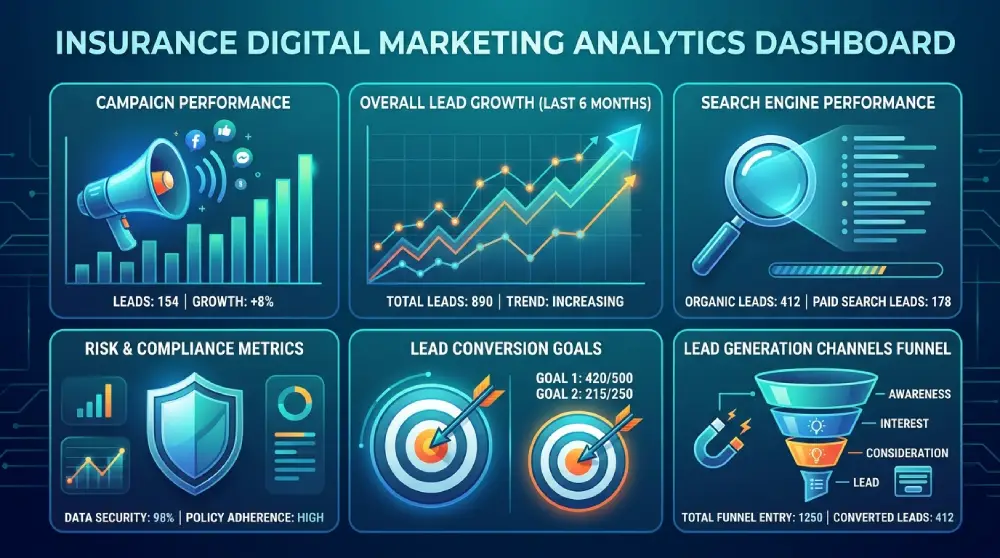
Track important performance indicators, including:
Compare results across search advertising, SEO, social media, referrals, and email campaigns. Use the information to identify which channels deserve more investment.
With a well-organized approach to insurance marketing, your agency can build trust, attract more policyholders, and support long-term business growth.
A combination of local SEO, a professional website, educational content, referrals, social media, and targeted advertising can help insurance agents reach potential customers. The best mix depends on the products offered and the intended audience.
An agency can generate more leads through search engine optimization, Google Ads, social media marketing, referrals, email campaigns, and dedicated insurance landing pages. A reliable follow-up system helps manage incoming inquiries.
Digital marketing for insurance brokers helps them reach prospects who research coverage online. It also provides opportunities to explain services, build credibility, and generate quote requests through different online channels.
An insurance agent marketing plan should define target customers, insurance products, marketing channels, budget, content strategy, lead follow-up process, and performance measures.
SEO improves a website's visibility for relevant insurance searches. Useful content, local business information, optimized service pages, and a technically sound website can help attract visitors who are looking for coverage.